In This Article
The economic headlines of 2025 have been all about one thing: President Donald Trump's aggressive new tariffs. While the doomsday predictions of an economic crash haven't come true, we've been digging into the data, and what we've found is a hidden storm brewing that could seriously impact your retirement. We're not financial advisors, just your friendly neighbors who've spent hundreds of hours analyzing what this all means for regular folks. Here's what you need to know.
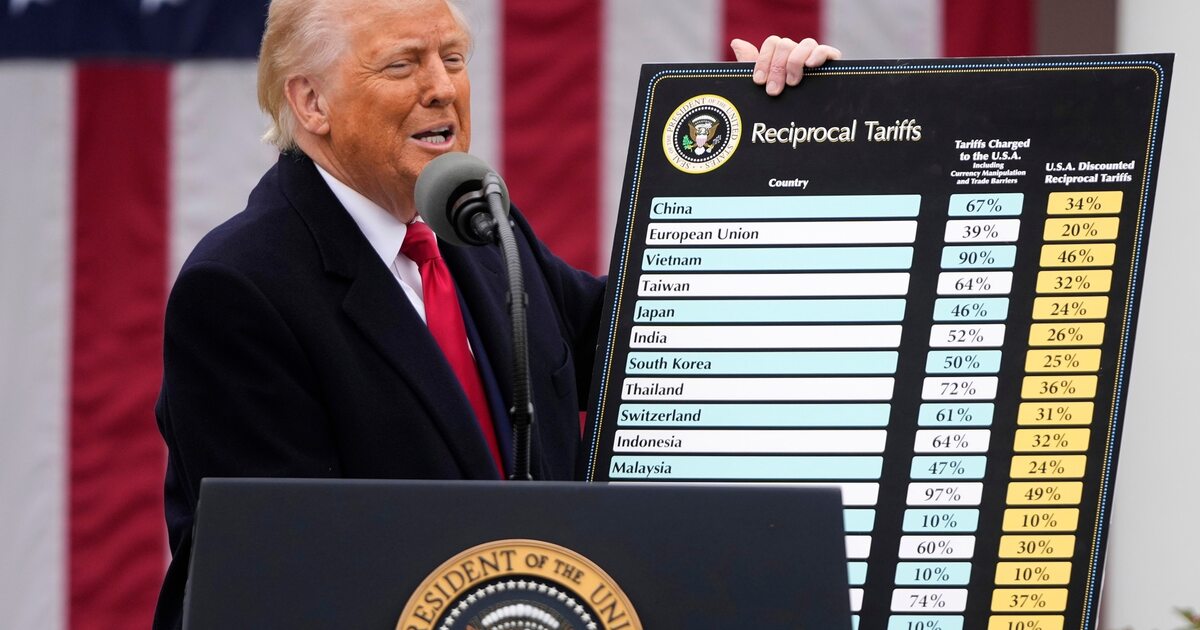
When President Trump made his return to the White House in January 2025, he didn't waste any time. His campaign promises of a major trade overhaul quickly became a reality, with sweeping tariffs on imported goods. This was a huge shift in American trade policy, the biggest in nearly a century. The experts were all saying the same thing: get ready for a classic economic shock. They were predicting soaring inflation, a tanking stock market, and maybe even a recession. But as we close out 2025, the big picture numbers seem to be telling a different story. The sky, it seems, hasn't fallen. But for retirees and anyone diligently saving for retirement, the story on the ground is a lot more complicated, and frankly, a little scary.
In this article, we're going to break down the disconnect between the official economic data and what many of us are actually experiencing. We'll look at why the full impact of Trump's tariffs has been delayed, what the experts are predicting for 2026, and most importantly, what this all means for your hard-earned retirement savings.
The Great Tariff Wall of 2025
First things first, let's get a handle on just how big these new tariffs are. We're not talking about a few small taxes here and there. According to the folks at the Yale Budget Lab, the average effective tariff on U.S. imports has gone from a pretty modest 2% to a whopping 18% in 2025. To put that in perspective, that's a level of protectionism we haven't seen since the infamous Smoot-Hawley Act of 1930, which many historians blame for making the Great Depression even worse. This isn't a scalpel; it's a sledgehammer. It's a broad-based "tariff wall" designed to completely change the way America does business with the rest of the world.
| Metric | Pre-2025 | Current (2025) | |---|---|---| | Average Effective Tariff | 2% | 18% |
With a tariff increase that big, you'd expect to see an immediate and severe impact. The basic economics are pretty simple: when you tax imported goods, they get more expensive. That cost gets passed on to us, the consumers, in the form of higher prices (hello, inflation). For businesses that use imported materials, their costs go up, which can lead to lower profits, layoffs, and less investment. So, the big question is, why haven't we seen this play out as predicted?
What's Happening: Why No Crash (Yet)?
The resilience of the U.S. economy has been a real head-scratcher for a lot of experts. Inflation, as measured by the Consumer Price Index (CPI), has stayed relatively stable at 2.7%, and the unemployment rate has only ticked up a little, from 4.1% to 4.6%. So, what gives? We dug into the analysis of Jeffrey Frankel, a professor at Harvard University and a former member of President Bill Clinton's Council of Economic Advisers, and he points to four key reasons why we haven't felt the full brunt of the tariffs yet:
1. Fuzzy Data: There was a government shutdown from October 1st to November 12th, which messed with the collection of economic data. This means the official numbers might not be giving us the full picture.
2. Not All Tariffs Are Active: It turns out, not all of the threatened tariffs have actually been put into place. President Trump has hit the pause button on some of the most severe ones, especially on things that would hit us right in the wallet, like groceries. For example, back on March 6th, he exempted Mexico and Canada from a 25% tariff to protect the North American auto industry.
3. Businesses Stocked Up: A lot of companies saw this coming and "front-loaded" their imports, stocking up on goods before the tariffs kicked in. The Penn Wharton Budget Model estimates that this move saved U.S. importers a cool $6.5 billion through May 2025.
4. Companies Are Eating the Cost (For Now): This is probably the biggest reason. So far, importers and retailers have been absorbing most of the increased costs themselves instead of passing them on to us. They're essentially taking a hit on their profits, hoping that these tariffs are just a temporary thing.
Key Takeaway: The economy hasn't crashed yet because businesses are absorbing tariff costs, not all tariffs are active, and companies stocked up on inventory before the tariffs hit. But this can't last forever.
Why This Matters: The Unseen Impact on Your Wallet
So, the official inflation numbers might look okay, but what about your personal inflation rate? For many retirees and savers, the cost of living has definitely gone up. The CPI is a broad measure, and it can hide price hikes in the things that older Americans spend the most money on. The most obvious example? Groceries.
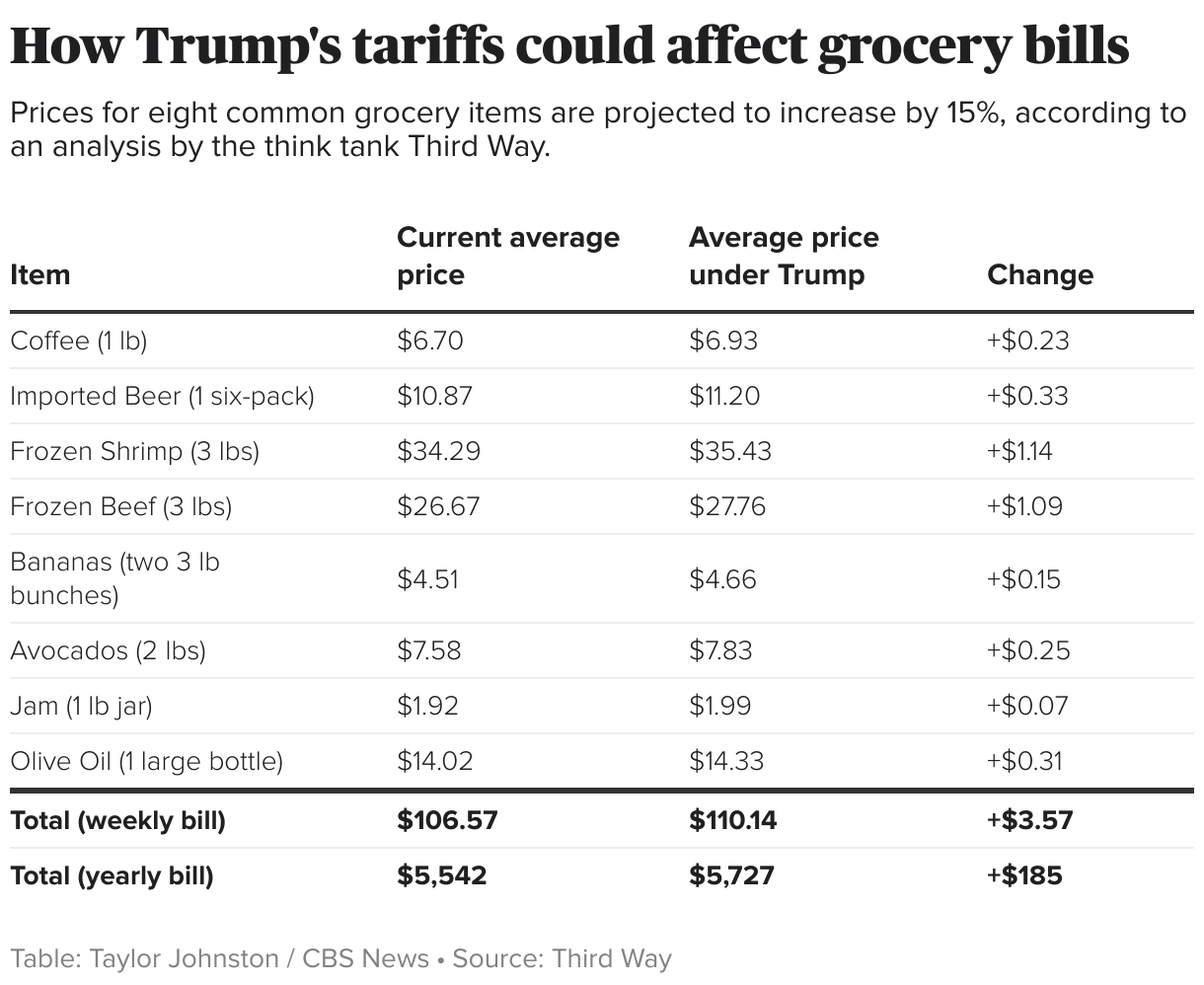
As you can see from the chart, the cost of everyday items is on the rise. A few extra bucks on your weekly grocery bill might not seem like a big deal, but for those on a fixed income, those small increases can add up fast, eating away at your purchasing power. This is the hidden danger of the 2025 tariffs: a slow, steady squeeze on your retirement savings.
This is a huge deal for retirees who are relying on fixed-income investments like bonds and annuities. The returns on these investments aren't designed to keep up with even moderate inflation. As the cost of living goes up, the real value of their income goes down. This can force retirees to dip into their principal savings faster than they planned, which increases the risk of running out of money in retirement.
Your Retirement Accounts: A Closer Look
Let's break down how these tariffs could affect your specific retirement accounts:
-
401(k)s and IRAs: These accounts are heavily invested in the stock market. While the market has been surprisingly resilient, the uncertainty caused by the tariffs could lead to increased volatility. A sudden downturn could have a major impact on your nest egg, especially if you're close to retirement and don't have a lot of time to recover.
-
Pensions: If you're lucky enough to have a pension, you might feel a little more insulated. However, many pensions are also invested in the market, so they're not completely immune to volatility. Plus, if the companies that fund your pension start to struggle due to the tariffs, that could put your future benefits at risk.
Sector Spotlight: Healthcare and Real Estate
Two sectors that are particularly important to retirees are healthcare and real estate. Here's how the tariffs could affect them:
-
Healthcare: The U.S. imports a lot of medical equipment and supplies. Tariffs on these goods could lead to higher healthcare costs, which would be a major blow to retirees, who already spend a significant portion of their income on healthcare.
-
Real Estate: The housing market is also vulnerable. Tariffs on building materials like lumber and steel could drive up the cost of new construction and home renovations. This could make it more expensive for retirees to downsize or modify their homes to age in place. For a deeper look at how the housing market is shifting, check out our 2026 home buyer's guide.
Key Takeaway: The biggest risk for retirees right now is complacency. The headline numbers look okay, but there are a lot of underlying risks that could come back to bite you if you're not prepared.
What to Expect in 2026
The consensus among economists is that this quiet before the storm isn't going to last. Businesses can't keep eating the cost of tariffs forever. As we head into 2026, it's very likely that we'll see more of these costs passed on to us in the form of higher prices. This could lead to a significant jump in the inflation rate, putting even more pressure on retirees and savers.
Adding to the economic uncertainty, Congress is facing a potential government shutdown in January 2026, which would be the second in just three months.
And it's not just inflation we have to worry about. The economic uncertainty created by the tariffs could lead to more market volatility. This is a huge concern for anyone who is in or near retirement, because they have less time to recover from a market downturn. A big drop in the stock market could be devastating to their retirement portfolios.
Regional Impact Across the U.S.
The impact of these tariffs isn't felt uniformly across the country. Depending on where you live, you might be more or less exposed to the economic fallout:
-
The Rust Belt (Ohio, Pennsylvania, Michigan): For states with a heavy manufacturing presence, the tariffs are a mixed bag. While some domestic industries might see a short-term benefit from protection against foreign competition, many manufacturers rely on imported components. This can lead to supply chain disruptions and higher costs.
-
The Farm Belt (Iowa, Nebraska, Kansas): Agricultural states are particularly vulnerable to retaliatory tariffs. When the U.S. imposes tariffs, other countries often respond by taxing American agricultural exports like soybeans and corn. This can devastate farming communities.
-
Coastal States (California, Florida, New York): States with major ports and a high volume of international trade are on the front lines of the tariff war. The cost of imported goods is higher, and the logistics of trade are more complex.
-
Southern States (Texas, Arizona, Georgia): These states often have significant trade relationships with Mexico and Latin America. Tariffs can disrupt these relationships and hurt industries like agriculture, manufacturing, and logistics.
How Tariffs Ripple Through Your Portfolio
It's easy to hear "tariffs" and think of it as a high-level political issue that doesn't directly affect you. But the truth is, these trade policies create ripples that can turn into waves by the time they reach your retirement portfolio.
The Corporate Profit Squeeze
Many of the largest companies in the S&P 500, which form the backbone of most 401(k)s and IRAs, are multinational corporations. When the U.S. imposes tariffs, U.S. companies that rely on imported components—from microchips to textiles—are hit with higher costs.
Initially, a company might absorb these costs to avoid alienating customers with price hikes. This directly eats into their profit margins. Wall Street keeps a close eye on profit margins; when they shrink, stock prices tend to fall. So, even if you don't see an immediate price increase at the store, your retirement account could be taking a silent hit.
The Bond Market Conundrum
For retirees who have shifted their portfolio to be more conservative and bond-heavy, tariffs present a different kind of threat. If tariffs eventually lead to the widespread price increases that economists predict, the Federal Reserve may be forced to raise interest rates to keep inflation in check.
When interest rates rise, newly issued bonds offer more attractive yields. This makes existing bonds with lower yields less valuable. This is known as interest rate risk, and it's a major concern for fixed-income investors. For a deeper dive into the Fed's latest thinking on rates, check out our analysis of the Fed's split decision on rate cuts.
International Investing: A Double-Edged Sword
Financial advisors have long preached the benefits of diversifying internationally. However, in a trade war, this strategy gets complicated. When the U.S. imposes tariffs, other countries often retaliate. If you're invested in an international stock fund, a global trade war could mean that both your domestic and international holdings suffer.
What This Means For You: Protecting Your Retirement
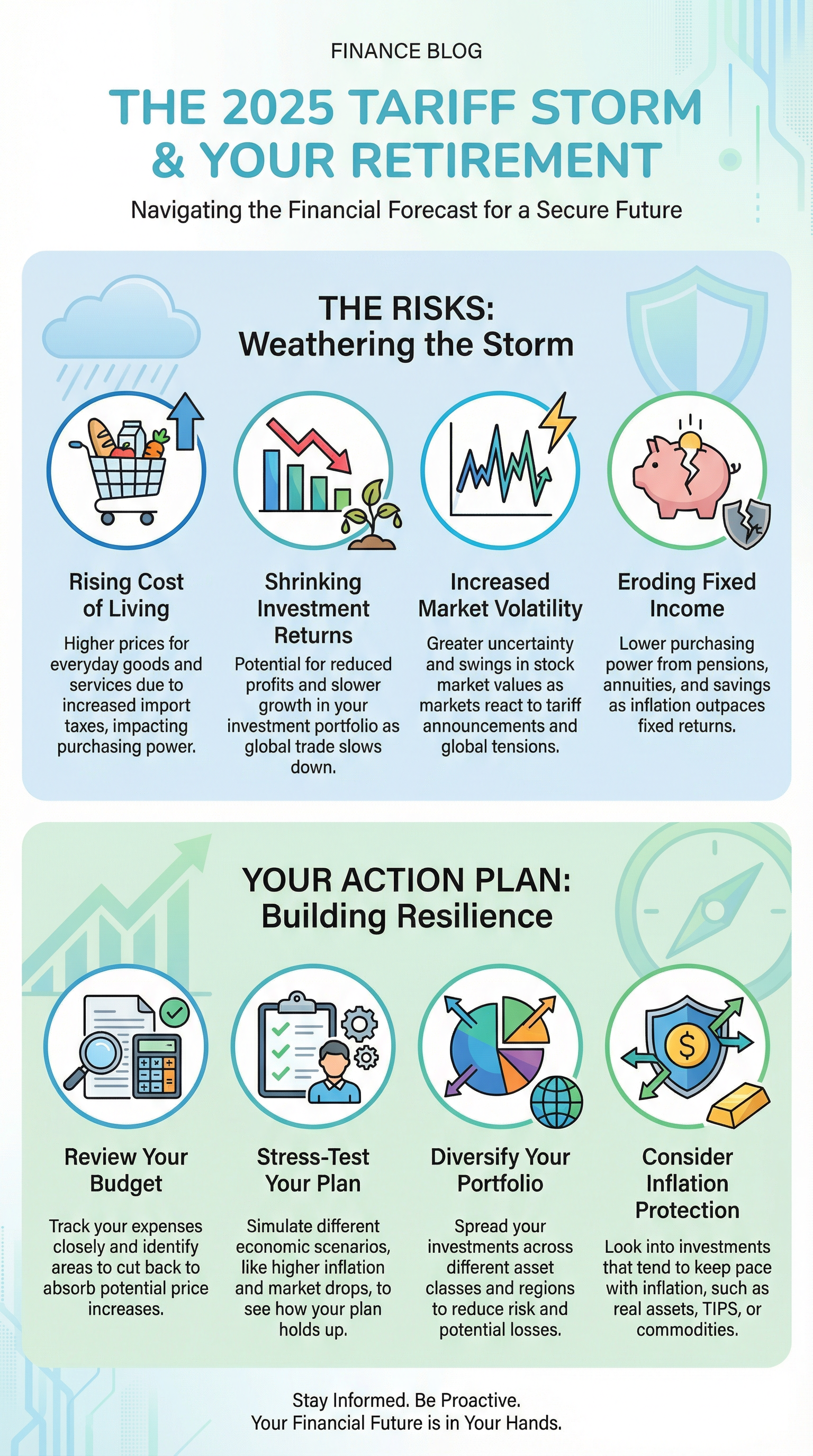
So, what can you do to protect your retirement savings? It's always a good idea to talk to a qualified financial advisor, but here are a few things you can do right now:
-
Get a Handle on Your Budget: If you don't have a budget, now is the time to create one. Know where your money is going and identify areas where you can cut back if you need to.
-
Stress-Test Your Retirement Plan: Run the numbers. See how your retirement plan holds up under different scenarios. What if inflation is 5%? What if the market drops by 20%?
-
Diversify, Diversify, Diversify: A well-diversified portfolio is your best defense against market volatility. Make sure your investments are spread across stocks, bonds, and real estate.
-
Consider Inflation-Protected Investments: Treasury Inflation-Protected Securities (TIPS) are a type of government bond that is indexed to inflation. They can be a good way to protect your purchasing power.
-
Think About Your Income Streams: If you're in retirement, think about ways you can create additional income streams—a part-time job, renting out a spare room, etc.
For more comprehensive guidance on building a secure financial future, check out our complete retirement planning guide.
Key Takeaway: Don't panic, but don't be complacent either. Now is the time to review your financial plan and make sure you're prepared for a range of economic scenarios.
What The Data Shows
Here's a breakdown of the key economic indicators and how they've changed since the tariffs took effect:
Tariff Impact:
- Average effective tariff rate: 18% (up from 2% pre-2025)
- Highest tariff level since: 1930 (Smoot-Hawley Act)
- Estimated savings from front-loading: $6.5 billion (Penn Wharton Budget Model)
Economic Indicators:
- Current CPI inflation: 2.7% (Source: Bureau of Labor Statistics, December 2025)
- Unemployment rate: 4.6% (up from 4.1%)
- Government shutdown impact: October 1 - November 12, affecting data collection
Consumer Impact Projections:
- Coffee prices: Expected 10-15% increase
- Beer prices: Expected 8-12% increase
- Imported shrimp: Expected 20-25% increase
- Electronics: Expected 5-10% increase
Key Takeaway: While official inflation remains at 2.7%, specific categories that retirees rely on heavily—like groceries and healthcare—are seeing much higher price increases.
The Bottom Line
While the U.S. economy has managed to weather the storm of Trump's 2025 tariffs so far, the outlook for 2026 is anything but certain. For retirees and those saving for retirement, the current situation is a clear wake-up call. The hidden threat of rising prices and increased market volatility is very real. But that doesn't mean you should panic.
Key points to remember:
- 18% average tariff rate is the highest since 1930
- Businesses are absorbing costs temporarily, but this won't last
- Retirees face hidden inflation in categories like groceries and healthcare
- Portfolio impacts come through corporate profit squeezes and bond market risks
- Preparation is key: budget review, stress testing, and diversification
By staying informed, reviewing your financial plan, and taking proactive steps to protect your purchasing power, you can navigate this challenging economic environment and make sure your retirement savings stay safe and sound.
The story of the 2025 tariffs is still unfolding, and no one knows for sure what will happen next. But by staying informed, stress-testing your financial plan, and focusing on what you can control, you can build a retirement strategy that is resilient enough to weather any storm. Remember, we're not just faceless analysts; we're regular folks just like you, trying to make sense of it all. And we're in this together.
Worried about how tariffs might affect your retirement portfolio? Talk to a vetted financial advisor through Kapitalwise to review your strategy — it's free for consumers, with matching in under 48 hours. We may earn a commission if you sign up.
Frequently Asked Questions
How do Trump's 2025 tariffs affect grocery prices? The 2025 tariffs have increased the cost of imported food products, with estimates showing price increases of 10-25% on items like coffee, beer, shrimp, and other imported goods. While companies are currently absorbing some of these costs, prices are expected to rise more significantly in 2026.
Are retirement accounts safe from tariff impacts? No retirement account is completely immune. 401(k)s and IRAs invested in stocks can be affected by market volatility and corporate profit squeezes. Bond-heavy portfolios face interest rate risk if the Fed raises rates to combat tariff-induced inflation. Diversification is your best defense.
What is the current average tariff rate in the U.S.? According to the Yale Budget Lab, the average effective tariff on U.S. imports has risen from 2% before 2025 to approximately 18% currently—the highest level since the Smoot-Hawley Act of 1930.
How can retirees protect themselves from tariff-related inflation? Key strategies include: budgeting carefully, diversifying investments, considering Treasury Inflation-Protected Securities (TIPS), stress-testing retirement plans against various inflation scenarios, and potentially creating additional income streams.
Which regions of the U.S. are most affected by the tariffs? Manufacturing states in the Rust Belt face mixed impacts, agricultural states in the Farm Belt are vulnerable to retaliatory tariffs, coastal states with major ports bear higher import costs, and Southern states with strong Mexico/Latin America trade ties face relationship disruptions.
References
[1] Frankel, J. (2025, December 29). Why haven't Trump's tariffs crashed the US economy? The Guardian. Retrieved from https://www.theguardian.com/business/2025/dec/29/donald-trump-tariffs-us-economy-inflation-employment-2026
[2] The Budget Lab at Yale. (2025, October 17). State of U.S. Tariffs: October 17, 2025. Retrieved from https://budgetlab.yale.edu/research/state-us-tariffs-october-17-2025
[3] U.S. Bureau of Labor Statistics. (2025, December 18). Consumer Price Index Summary - 2025 M11 Results. Retrieved from https://www.bls.gov/news.release/cpi.nr0.htm
[4] U.S. Bureau of Labor Statistics. (2025, December 16). The Employment Situation - November 2025. Retrieved from https://www.bls.gov/news.release/pdf/empsit.pdf
Stay Informed
Get weekly insights from the RegularFolkFinance community.
About the Author
RegularFolkFinance Team
Editorial Team
Published: Dec 29, 2025
We're not financial advisors. We're a team that spent hundreds of hours reading what real people experienced with financial products. Our analysis is based on real stories from actual users.